Guides
The commercial set: renting out electric boats
For rental operators: where rules already require electric rental boats, how licence limits shape the fleet, and the sums on energy and turnaround.
9 October 2026 · 5 min read
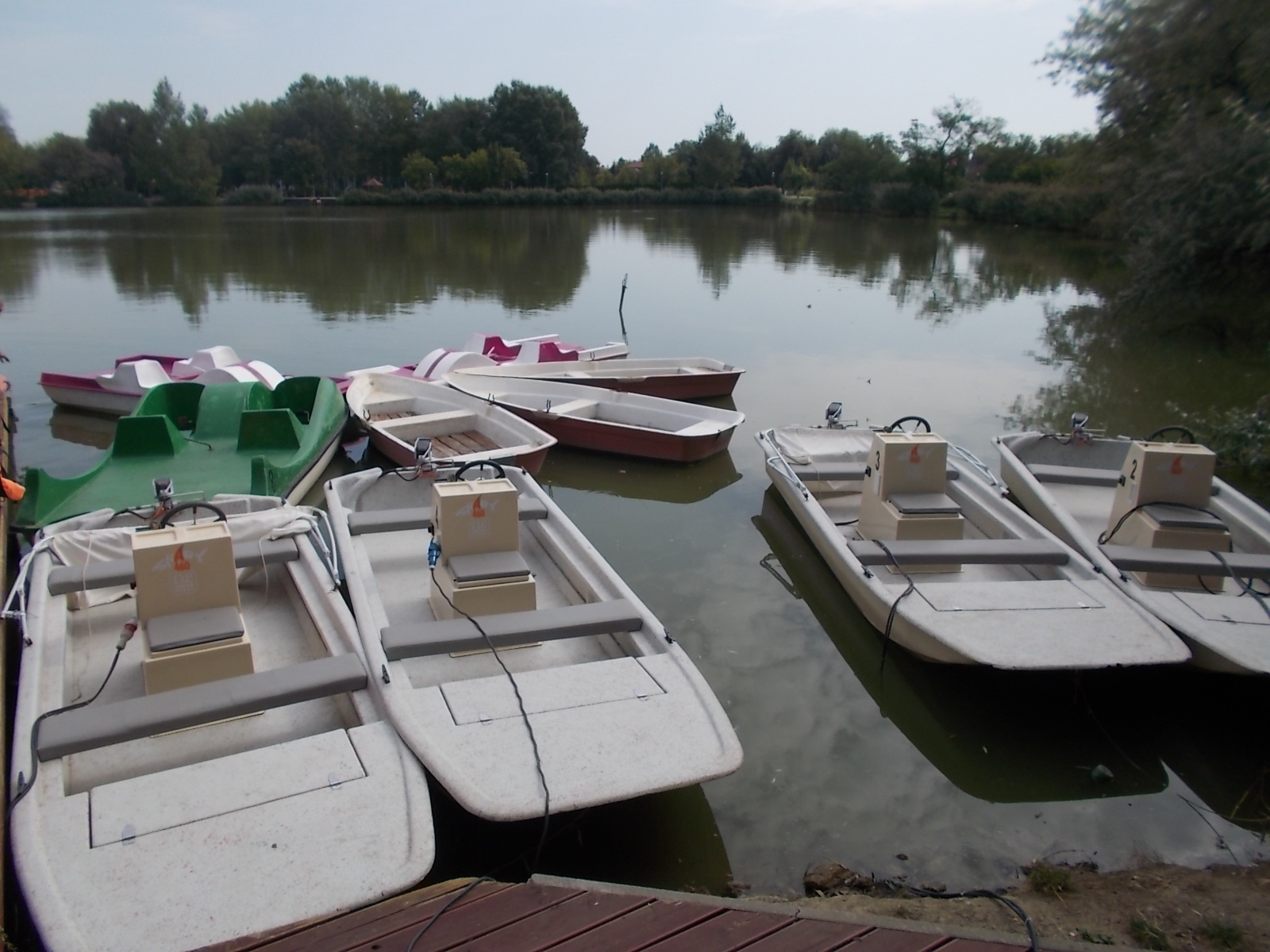
Picture a lake where the only sound is the water against the hull. No two-stroke stench, no roaring engines, just pure stoke. For a rental operator, this is the future, and in many places, it is already the law. We looked at the numbers to see if a fleet of electric craft is a perfect set or a wipeout.
Rental is where electric boats make the most commercial sense. The boats run every day, the trips are short, and they come back to the same dock each evening. In a growing number of places the law has also stopped giving operators a choice.
Where the groundswell is already electric
These are rules we have confirmed, not a complete list. The groundswell is growing across the continent.
- Giethoorn, Netherlands: rental boats in the municipality of Steenwijkerland must be electric, since 1 January 2023. Tour boats follow from 2031.
- Haarlem, Netherlands: tour and rental boats must be electric, or equivalent with no emissions and no noise, since 1 January 2025.
- Amsterdam: passenger and transport vessels have had to be emission-free since 1 January 2025.
- Carinthia, Austria: on Wörthersee, Ossiacher See, Millstätter See and Weißensee, boats with combustion engines may not be rented out. Rental electric boats are limited to 500 W.
- Upper Austria: on Attersee, Traunsee and Mondsee, motor boats used for rental may only be electric, up to 500 W.
Two patterns are visible. Cities require electric for air quality and noise. Alpine lakes require it to keep the water quiet, and pair it with a low power limit. Both remove petrol from the rental market in the places concerned. For the wider picture, see Europe's electric-only waters.
Licence limits in the line-up
Most rental customers have no boat licence. The power a boat may have without one therefore decides what you can rent to them. Here is the line-up of thresholds.
| Country | Licence needed from | Effect on rental |
|---|---|---|
| Austria | 4.4 kW | Small electric boats only, and 500 W on many lakes |
| France | above 4.5 kW | Licence-free boats stay at 4.5 kW or less |
| Germany | above 7.5 kW for electric motors | Lower than the 11.03 kW allowed for petrol |
| Italy | above 30 kW, within six miles | Room for faster boats |
| Spain | Licence required to rent from 1 October 2026 | See below |
Germany's rule deserves a second look. An electric rental boat may have less power without a licence than a petrol one. Check that the motor's continuous rating is under 7.5 kW. Full details are in our licence guide.
Spain: an onshore wind for rental
Spain has been a large market for licence-free rental, typically small boats of about 5 metres with 15 horsepower. An onshore wind is blowing through those regulations. Royal Decree 1188/2025 ends that. From 1 October 2026, renting a recreational boat requires a qualification.
The entry-level one is the Licencia de Navegación: two hours of theory and four hours of practice, done in a day, valid for boats up to 6 metres. Operators in the Balearic Islands expect more customers to take the short course, and once they hold it they will ask for more powerful boats. The small licence-free boats may fall out of the market.
The energy sums for a glassy season
Energy is the easy part of the business case, especially when the season is glassy and busy. For the same work at the propeller, electricity at the average EU household price costs a little over 40 percent of petrol at 1.80 euros a litre. For a craft that would burn 20 litres a day over 100 days.
- Petrol: 2,000 litres, about 3,600 euros.
- Electricity: about 1,500 euros.
- Saving: roughly 2,100 euros per craft per season.
Commercial electricity tariffs differ from household ones, so use your own rate. The method is in What an electric boat costs to run. Servicing also falls: an electric drive has no oil, plugs or fuel system to maintain, and nothing to winterise in the engine.
Turnaround and the midday lull
A rental boat earns when it is out. What matters is how quickly it can go out again after a session. There are three ways to manage it.
Battery for the whole day: size the battery so the boat lasts until closing, then charge overnight. This suits slow boats on small lakes. A 500 W motor running all day uses very little.
Charge between rentals: possible if rentals are short and the dock has enough power. A fast charger shortens the gap but needs a strong grid connection. See How to charge an electric boat.
Swap the battery: craft with removable batteries can be back on the water in minutes. You need spare batteries and somewhere safe to charge them. For fast craft with short ride times, this is usually the only way to keep them busy.
Digital control of the session
Electric craft are easier to supervise than petrol ones, because the drive is controlled by software. Some craft let the operator set a top speed for each rental, define an area the craft may not leave, and see every craft on a map. Features like these reduce the need for a chase boat and give you a record if something goes wrong.
The basics do not change. Brief every customer, fit lifejackets, set clear boundaries on the water and keep a way of reaching a craft that stops.
Battery safety in the locker
A fleet means many batteries in one place. Treat that as part of the site design.
- Charge in a designated area with good ventilation, away from customers and exits.
- Inspect every battery when it comes back. Do not charge one that has been dropped or flooded.
- Store spares at the level the maker recommends. See Battery care for electric boats.
- Tell your insurer and the local fire service what you keep and where.
Picking the right break
Rules that restrict petrol are an opportunity for whoever arrives with a compliant fleet.
- A lake that bans combustion engines has no petrol competitor.
- A harbour that grants berths only to emission-free boats will favour your application.
- A town that has banned petrol rental needs someone to replace it.
Check the power limit before you sign anything. A lake that allows only 500 W suits pedal-boat replacements and quiet day boats. It does not suit fast craft, however electric they are.
Before you paddle out
Ready to start the business? Run through this checklist first.
- Read the local regulation yourself, including the power limit and any cap on the number of rental boats.
- Confirm which licence, if any, your customers will need.
- Measure the power available at the dock.
- Decide how you will turn boats around on the busiest day.
- Get insurance quotes for electric craft specifically.
- Ask suppliers for delivery dates in writing, and for the price of spare batteries.
Questions
Where must rental boats be electric?
Among the places we have confirmed: Giethoorn in the Netherlands since 2023, Haarlem for rental and tour boats since 2025, and the large Carinthian and Upper Austrian lakes, where rental motor boats may only be electric.
How powerful can a rental boat be without a licence?
It depends on the country. Austria requires a licence from 4.4 kW, France above 4.5 kW and Germany above 7.5 kW for electric motors. On several Austrian lakes, rental electric boats are capped at 500 W.
How much does the energy cost for a rental craft?
For a craft that would burn 20 litres of petrol a day over a 100-day season, the electric equivalent costs about 1,500 euros at average EU electricity prices, against 3,600 euros for petrol.
How do rental fleets keep boats running all day?
Either with batteries large enough for a full day, or with swappable batteries, or by charging between rentals. Swapping is fastest and needs spare batteries.
Can customers still rent a boat without a licence in Spain?
Not from 1 October 2026. A Spanish decree requires at least the Licencia de Navegación, a one-day course, to rent a recreational boat.