Rules
Drop in or stay out: electric boat licence rules in Europe
When you need a licence to drive an electric boat in Europe. Power thresholds for Germany, France, Italy, Austria, Switzerland, Norway and more.
9 October 2026 · 5 min read
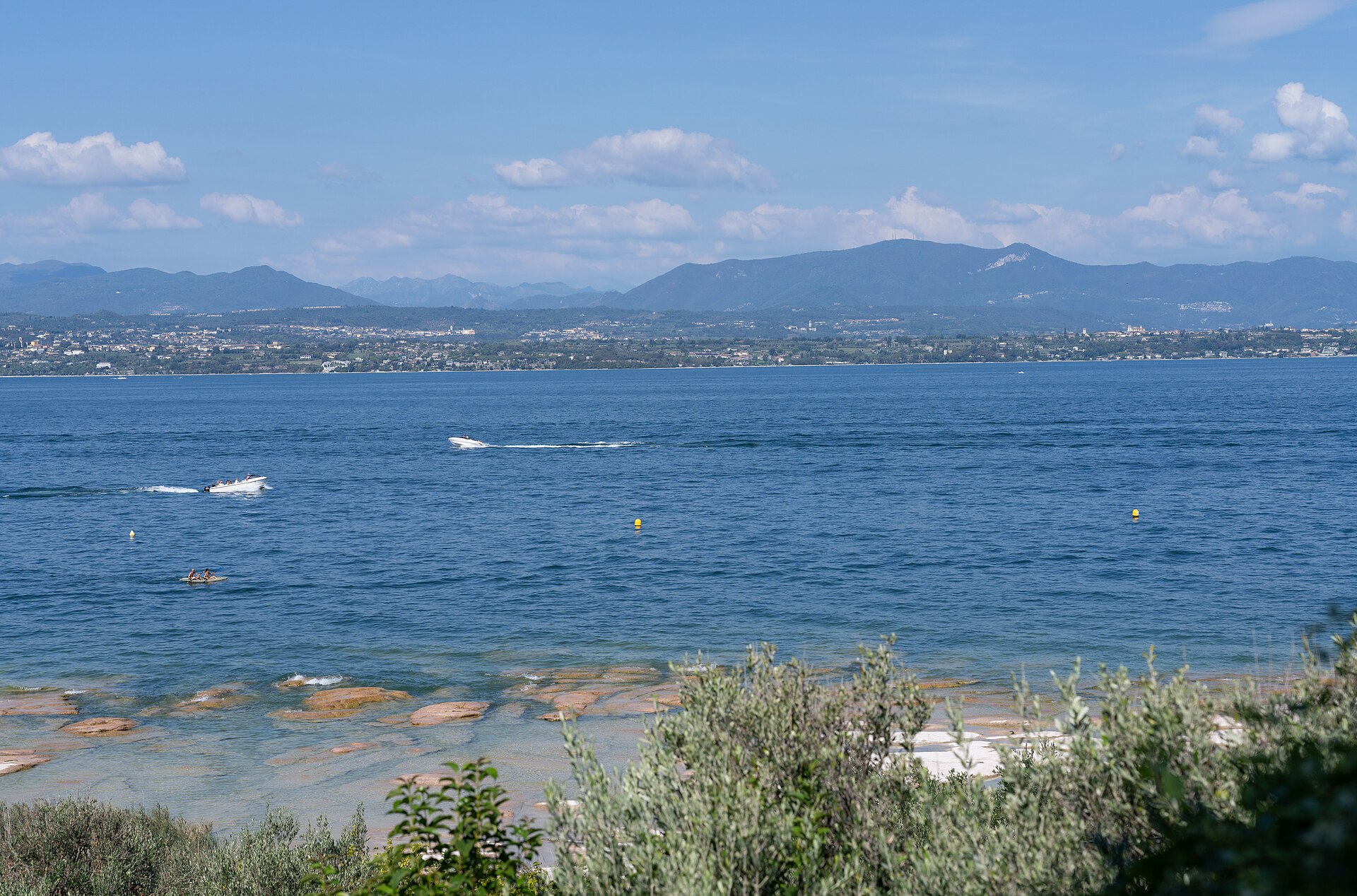
You have the boat, you have the glassy lake, and you have the stoke. Then the water police drop in and ask for a piece of paper you do not have. Europe is a messy line-up of different rules, and what works in Italy will get you a hefty fine in Austria. We spent the morning digging through regulations so you can focus on the water.
Whether you need a licence for an electric boat depends on where you are and how powerful the motor is. Europe has no common rule. Each country sets its own threshold, and one of them treats electric motors differently from petrol engines. This guide covers the thresholds we could confirm. It is a starting point, not legal advice.
The line-up at a glance
Every country has its own way of deciding who gets to paddle out without a licence. Here is how the field looks.
| Country | Licence needed when | Note |
|---|---|---|
| Austria | Motor of 4.4 kW or more | Electric boats under 4.4 kW also skip registration |
| France | Motor above 4.5 kW | The same limit applies inland and at sea |
| Switzerland | Motor above 6 kW | Federal rule |
| Germany | Electric motor above 7.5 kW, combustion above 11.03 kW | Electric limit in force since 1 January 2023 |
| Italy | Motor above 30 kW within six nautical miles | Any motor beyond six miles |
| Netherlands | Boat longer than 15 m, or able to exceed 20 km/h | Speed, not power, decides |
| Norway | Boat over 8 m or motor above 25 hp | Applies to people born in 1980 or later |
| Spain | Motor above roughly 11 kW | Licence-free rental ends 1 October 2026 |
| Sweden | Personal watercraft only | Licence required since 1 May 2022, minimum age 15 |
| United Kingdom | No national licence | Harbours and waterways set local rules |
Germany drops in differently
Until the end of 2022, Germany had one limit for everything: 15 PS, which is 11.03 kW. On 1 January 2023 the limit for electric motors dropped to 7.5 kW. The reasoning given was that electric motors are more efficient and deliver more torque, so the same rated power moves a boat harder. It is like a shortboard that catches waves faster than a longboard of the same volume.
Two details matter in practice. First, the rating that counts is continuous power. Germany measures an electric motor by its S1 rating, the power it can deliver without a time limit. A motor's peak power can be higher. Second, there was no transition period. Owners of electric boats between 7.5 and 11 kW needed a licence from one season to the next.
If you are buying an electric outboard for German waters without a licence, 7.5 kW is the number to stay under. Our buyer's guide to electric outboards sorts motors by power class.
Austria and France: shallow water thresholds
Austria requires a certificate of competence from 4.4 kW. The same number matters for paperwork: electric boats under 4.4 kW do not need to be registered. It is a locals-only break with strict rules.
France draws the line at 4.5 kW, which is 6 horsepower. Above that, you need the permis plaisance. Both limits are low enough that most planing boats need a licence. They are also the reason so many small rental boats and tenders in these countries have motors just under the threshold.
Italy: glassy sailing near the coast
Italy is the most relaxed of the large boating countries. Within six nautical miles of the coast, a licence is required only above 30 kW. It is as glassy as it gets for newcomers. Beyond six miles, you need one for any motor. Personal watercraft are a separate case and need a licence regardless of power.
The Netherlands and Norway: checking the hull
The Netherlands does not use motor power at all. A certificate is required for pleasure craft longer than 15 metres, and for motorboats that can go faster than 20 km/h. A light electric boat that planes can therefore need a certificate even with a small motor. The hull shape decides whether you wipe out on the regulations.
Norway requires a boating licence for craft over 8 metres or above 25 horsepower, but only for people born in 1980 or later.
Spain: rental rules get an onshore wind
Spain's general licence-free limit sits at roughly 11 kW, or 15 horsepower. For years that allowed tourists to rent small boats of about 5 metres with no licence at all. That ends on 1 October 2026. Royal Decree 1188/2025 prohibits renting recreational boats without a qualification.
The entry-level one is the Licencia de Navegación, a one-day course with two hours of theory and four hours on the water. It covers boats up to 6 metres. Rental companies in the Balearic Islands have criticised the change, fearing it will kill the stoke for casual tourists.
Sweden and the United Kingdom
Sweden requires a licence for personal watercraft, in force since 1 May 2022, with a minimum age of 15. The United Kingdom has no national licence for private pleasure craft, but many harbours and inland waterway authorities set their own conditions. It is a secret spot where the rules depend on who you ask.
What electric changes in the line-up
For most of Europe, an electric motor is treated like any other motor of the same power. A 10 kW electric outboard needs a licence in France and Austria, as a 10 kW petrol engine would.
There are three practical differences. First, Germany's lower limit. Second, registration: Austria exempts electric boats under 4.4 kW, while Germany requires it above 2.21 kW. Third, where you may go: a licence lets you drive, but it does not open a lake. Many waters ban combustion engines or cap electric power, whatever licence you hold. See Europe's electric-only waters.
Before you paddle out
Ready to hit the water? Do these three things first.
- Check the continuous power rating on the motor's plate, in kilowatts.
- Compare it with the threshold of the country you are visiting, not your home country.
- Ask the charter or rental company what they require. It is often more than the legal minimum.
- Carry proof of the motor's power. An inspector cannot tell 4 kW from 6 kW by looking.
Personal watercraft follow their own rules in most countries. We cover those in Personal watercraft rules across Europe.
Questions
Do I need a licence for an electric boat in Germany?
Yes, if the electric motor is rated above 7.5 kW. The limit for combustion engines is 11.03 kW, so the electric threshold is lower.
Which European country has the lowest licence threshold?
Of the countries we checked, Austria, at 4.4 kW. France follows at 4.5 kW.
Is an electric motor's power measured the same way as a petrol engine's?
Not always. Germany uses the continuous rating of the electric motor, known as S1. Peak power can be higher than the figure that counts.
Can I rent a boat without a licence in Spain?
Until 30 September 2026, small boats could be rented without one. From 1 October 2026 a Spanish decree requires at least the Licencia de Navegación.
Does a licence from my home country work abroad?
Often, but not automatically. Rules on recognising foreign certificates differ by country, so ask the charter company or the national authority before you go.
Sources
- Yacht.de, licence rules for electric motors in Germany
- ÖAMTC, boating in Austria
- Canton of Schwyz, government decision 1008/2015
- Volta Yachts, electric boat rules in Europe
- Boatnews, boating licences in Europe
- Menorca.info, licence-free rental ends, 25 July 2026
- Transportstyrelsen, personal watercraft
- E-Surfer, where eFoils are allowed in Europe