Boats
A new groundswell: converting a boat to electric
What an electric boat conversion involves: sizing the motor and battery, costs, the installation steps, and which hulls are worth the effort.
9 October 2026 · 5 min read
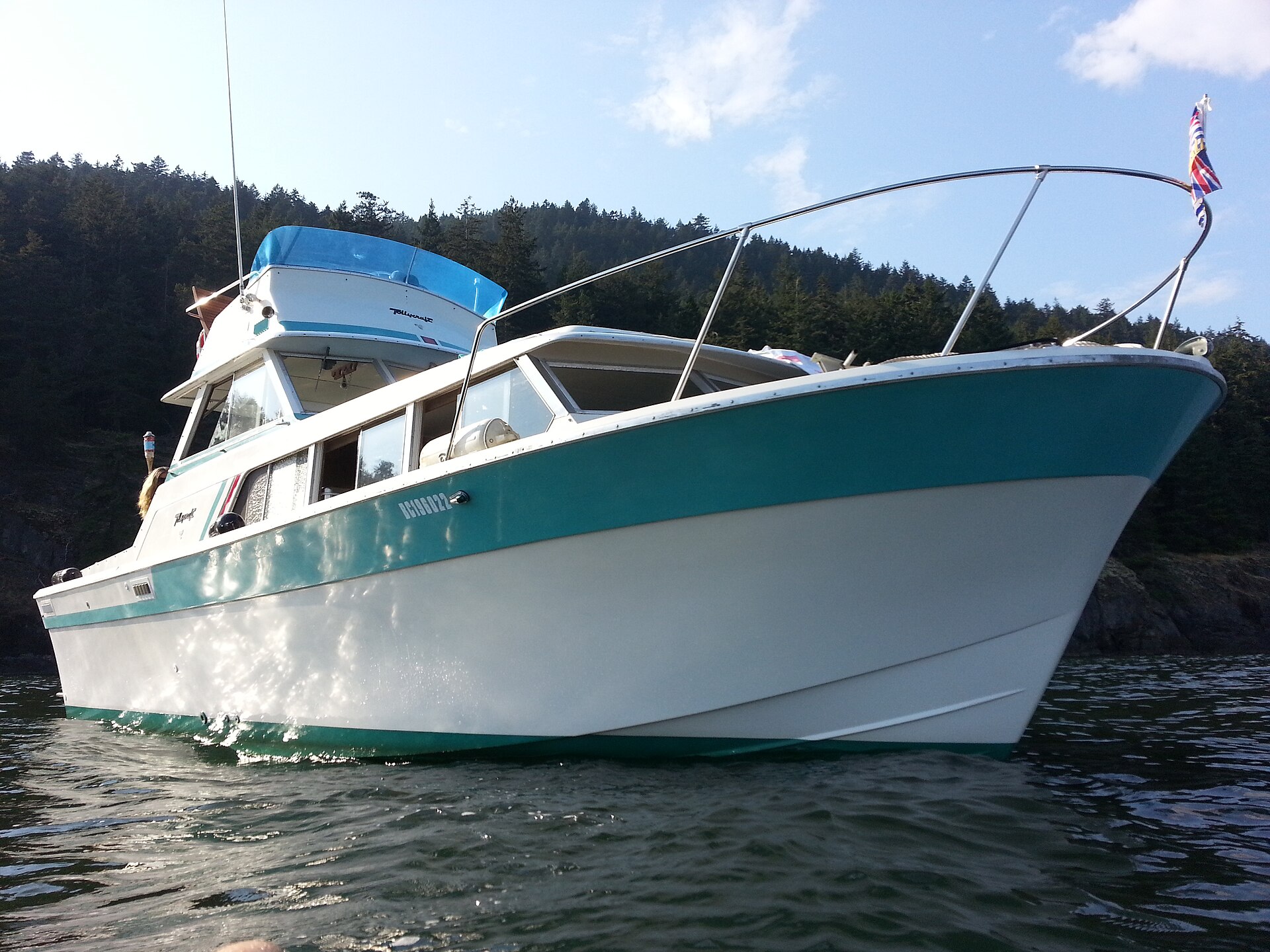
More waters are closing their gates to combustion engines every season. For many owners, the choice is simple: say goodbye to a hull you love, or catch the groundswell and convert it to electric. When it works, it is like a perfect glass-off, quiet, clean and efficient. When it does not, it is a costly wipeout.
We have been through the technical papers and owner reports to see what it takes to re-rig a boat for a silent future. You do not need to be a marine engineer to get this right, but you do need to understand the physics of the swell before you start ripping out the old diesel.
Reading the swell: which hulls convert
Not every boat is ready to paddle out into the electric world. Sailboats and displacement launches are the easy cases. They reach their natural speed with very little power, they usually only run the engine in short bursts, and they have plenty of room low in the hull where batteries help the trim. Canal boats and slow river cruisers are also a great fit, as shore power is usually close by.
Planing motorboats are the hard case. Getting a boat on the plane is like trying to catch a massive wave with a heavy board, it takes a huge amount of energy. The battery needed for an hour of planing speed is both heavy and incredibly expensive. Most owners who convert a planing hull end up accepting a slower pace, turning their boat into a displacement cruiser with just the occasional burst of speed. If you are not sure where your boat sits, read our guide to electric boat range explained first.
Sizing the motor for the swell
One of the biggest mistakes kooks make is trying to translate horsepower directly into kilowatts. Electric motors are a different breed: they give you full torque from zero revolutions and can turn a much larger propeller. This means they do a lot more work with less rated power.
Oceanvolt provides these benchmarks for a displacement sailboat. It suggests 1.25 kW of motor power per tonne of boat. One kilowatt of electric power does the work of roughly 2 to 3 horsepower of combustion engine. A 4-tonne inland boat with a 5 kW motor matches a diesel engine of 10 to 15 horsepower.
Padding out the battery
The battery is what really decides your session time. Oceanvolt suggests a battery of 1.3 to 2 times the motor power. A 5 kW motor would get 6.5 to 10 kWh.
But the real secret is looking at how you actually use the boat. A diesel tank is something you fill a few times a year. A battery is something you top up after every leg. Instead of asking how much energy you can carry, ask how much you use between sockets. Most owners find that once they check their real usage, the battery they need is smaller than they first feared. It is about matching your quiver to the waves you actually ride.
A session report: the French 7-metre conversion
We looked at a real-world case of a French owner who converted a 7.37-metre plywood sailboat. The boat displaces about 2 tonnes, and the old 6 horsepower petrol outboard was a constant headache. He swapped it for a 3 kW pod drive mounted under the hull, fed by a 6 kWh battery bank.
The results in glassy water tell the story. At 1.5 kW of power, the boat makes 4.3 knots, which is right at its hull speed. Doubling the power to 3 kW only adds another 0.9 knots. It is a classic lesson: pushing twice as hard for a tiny gain just empties your battery twice as fast. At that 1.5 kW cruise, the range is about 4 hours, or 17 nautical miles. On a week's cruise covering 82 nautical miles, the motor only ran for two hours total. The rest was all wind power.
The conversion line-up: step by step
If you are ready to drop in, here is the basic order of operations for an inboard diesel conversion. First, you clear the deck by removing the engine, drive, fuel tank, lines and exhaust. Then you fit the new motor mount and install the drive unit.
Choosing the right battery position is crucial for the boat's trim, low and central is always the winning call. After that, you install the controller, the battery management system and the chargers. You will need a DC-to-DC converter to keep your 12-volt house system running off the main bank. A word of caution: lithium batteries and high currents are an unforgiving mix. Unless you have the right training, have a professional marine electrician check your work and keep your insurer in the loop.
Dropping in on the costs
We could not find a single typical price because every boat is a different set of conditions. What we can tell you is where the money goes. The battery is almost always the biggest ticket item, and its cost scales directly with how much range you want to buy.
The motor and controller generally cost more than a new diesel of the same size. Then you have the chargers, cabling and structural work, which always add up to more than you expect. Our advice? Get quotes that price the battery separately. That way, you can see exactly what an extra hour of range is going to cost you. On the bright side, your running costs will plummet once you are off the fuel dock. You can see the breakdown in our guide to electric boat running costs.
The final set: our verdict
So, is it worth the effort? You gain a boat that is silent, fume-free and needs almost zero maintenance. You also gain access to Europe's electric-only waters, which is a massive win as more cities like Amsterdam close their doors to diesel.
What you lose is the ability to refuel in five minutes and the massive range of a fuel tank. For a sailor, it is a no-brainer. For a motorboater who likes to cross open water at high speed, the technology is not quite there yet. Before you commit, measure your real engine use for a full season and check the charging options at your berth. If you are ready to make the switch, our guide to charging will help you stay topped up for the next session.
Questions
How powerful should the electric motor be?
For a displacement sailboat, one drive maker suggests about 1.25 kW per tonne. It also notes that 1 kW of electric power does the work of roughly 2 to 3 horsepower of combustion engine in this use.
How big should the battery be?
A common guide for displacement boats is 1.3 to 2 kWh of battery per kilowatt of motor. A 5 kW motor would get 6.5 to 10 kWh.
Will the boat be heavier after conversion?
Often not. The engine, fuel tank, exhaust and hoses come out and the batteries go in. For a modest battery the result can be lighter, but placement matters for trim.
How long does a conversion take?
One owner reported about ten hours of installation for a pod drive on a 7-metre sailboat, not counting the planning.
Can I convert a planing motorboat?
You can, but range at planing speed will be short unless you fit a very large battery. Many owners accept displacement speeds after converting.