Rules
Clean air and glassy water: Amsterdam emission-free canals
Amsterdam's city centre has been emission-free for pleasure craft since 1 April 2025. We cover the zone, transition dates and the exempt through routes.
9 October 2026 · 4 min read
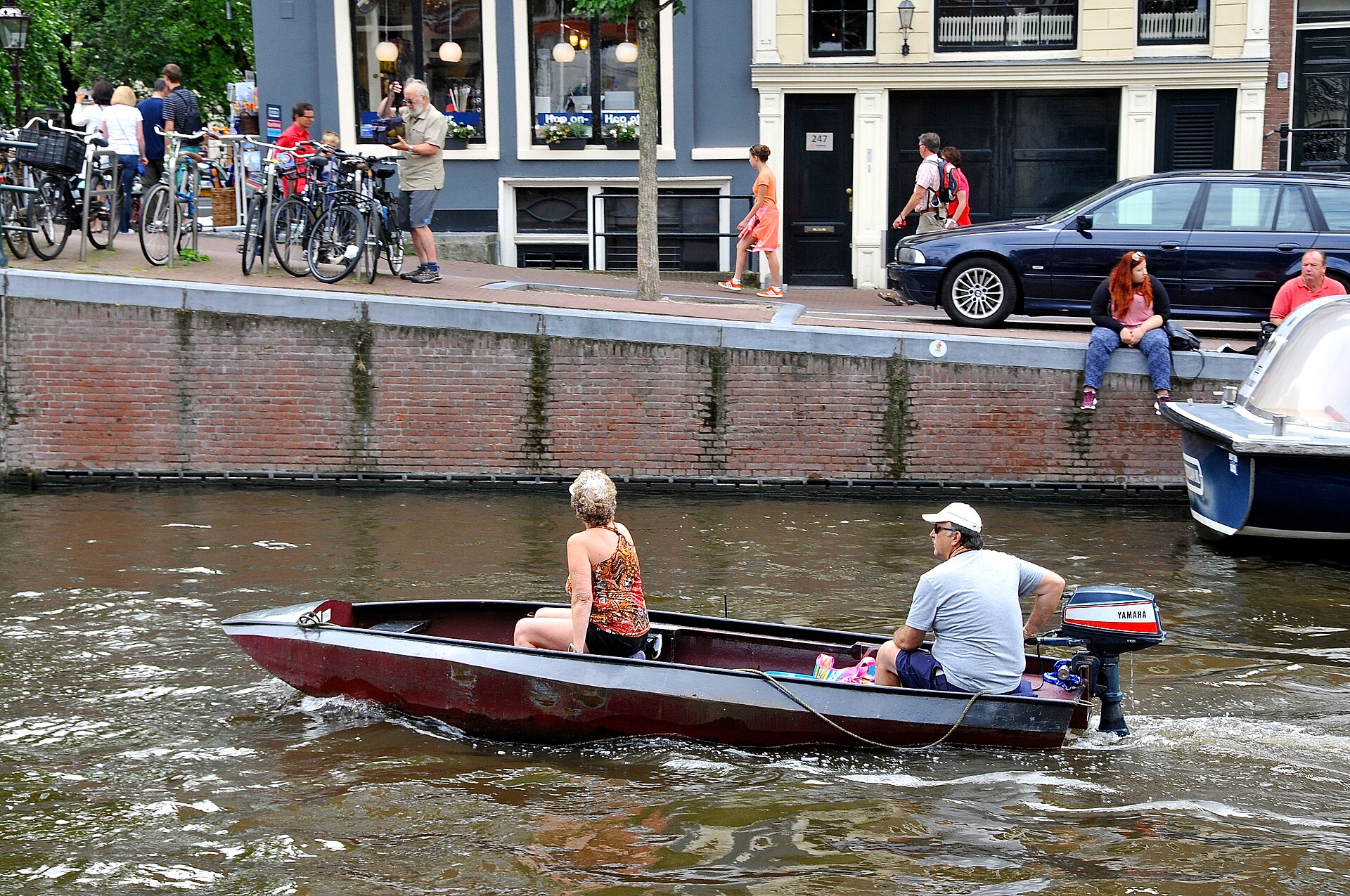
Picture the Prinsengracht on a sunny Saturday. Usually, it is a slow-motion chop of rental sloops, diesel fumes and the occasional kook trying to park a barge. But the city has decided to clear the air. As of 1 April 2025, the heart of Amsterdam has gone quiet. If you want to cruise the historic centre, you had better be plugged in or ready to row.
We spent our morning patrol digging through the municipal decrees so you do not have to. The city is serious about this groundswell of change, but they have left a few gaps for those just passing through. Here is how to navigate the new glassy calm of the Dutch capital.
Dropping in on the zone
The rule is simple: inside the zone, pleasure craft must be driven by electricity, hydrogen or human power. If you are running a hybrid, that is fine, but you must switch the combustion engine off the moment you cross the line. Every boat also needs a valid vignette to be in the water at all.
Transport and passenger vessels had to paddle out first. Their deadline was 1 January 2025, enforced through their operating permits. For the rest of us, the zone covers the city centre inside the Singelgracht, including the canal itself, south of the railway line. The city originally wanted a bigger slice of the map, but after some local pushback, the marinas on the eastern and western islands were left outside the zone.
The line-up of exempt routes
Not everyone wants to linger for a coffee by the Jordaan. If you are just crossing town to reach the lakes or the sea, there are two corridors where the old rules still apply. You can keep the diesel humming as long as you stay within the markers.
The Amstel route takes you from the Oosterdok through the Schippersgracht and Nieuwe Herengracht, then follows the Amstel out to the city boundary. The second option is the Kostverlorenvaart route: from the Westerkanaal through the Singelgracht, Kattensloot, Kostverlorenvaart, Schinkel and Nieuwe Meer. This is a vital set for boats with standing masts, and it remains open to all. Just remember that the moment you drop in on a side canal to explore, the emission-free rule catches up with you.
Catching the transition wave
Amsterdam did not just pull the plug overnight. There is a transition period, but it depends entirely on what sticker you have on your hull. We checked the dates, and they are firm.
| Vignette | Combustion engine allowed until | Condition |
|---|---|---|
| Harbour fee vignette (BHG) | 1 January 2030 | Bought before the deadline and renewed every year |
| Passage vignette | 1 January 2028 at the latest | Bought before the deadline |
| No vignette | Not allowed in the zone | Buy a vignette and switch to emission-free drive |
Watch out for the wipeout: the exemption is tied to the owner, not just the boat. If you buy a diesel sloop that had a valid BHG vignette, that exemption vanishes the moment the paperwork changes hands. Historic vessels are the only ones with a separate board, they can apply for specific exemptions if they are on the national register of sailing heritage. The city even offered a discount to build the stoke. During 2025 it gave a 35 per cent discount on harbour fees for electric and hybrid boats.
The groundswell across the Netherlands
Amsterdam might be the biggest wave, but it is not the only one. Other Dutch cities are watching the tide and moving the same way. We have been tracking the rest of the country to see who is next in the line-up.
Amersfoort was the early bird, banning combustion engines on its public waters back in 2020, though the river Eem stays exempt. Over in Utrecht and Haarlem, the authorities started issuing new berth permits only for emission-free boats on 1 January 2025. Even the lower Kromme Rijn has gone electric-only between Utrecht and the weir at Werkhoven. If you are heading to Giethoorn, the rental fleet has been fully electric since 2023. Friesland has already marked out three specific electric-only routes for those who want to avoid the onshore wind of diesel traffic.
The final set: our verdict
So, is it time to paddle out and buy a motor? If you keep a boat in the centre, the clock is ticking toward 2030. Converting a classic hull is a project that takes some planning, and you can bet the local yards will be slammed as the deadline nears. Our guide to converting a boat to electric is a good place to start your research.
For visitors, just stick to the exempt corridors or make sure your batteries are topped up. The direction of travel is clear: the days of noisy, smoky canals are fading. If you are looking for more quiet spots to cruise, check our list of Europe's electric-only waters. It is a growing list, and Amsterdam is just the most famous spot on the map.
Questions
Can I still take a diesel boat through Amsterdam?
Yes, on the two through routes: the Amstel route and the Kostverlorenvaart route. The canals of the centre are closed to combustion engines unless you hold a vignette covered by the transition rules.
When did Amsterdam's emission-free zone start?
On 1 April 2025 for pleasure craft. Passenger and transport vessels have had to be emission-free since 1 January 2025.
Are hybrid boats allowed in the zone?
Yes, as long as they run fully emission-free while inside the zone.
Until when can I use my existing boat?
With a harbour-fee vignette bought before the deadline and renewed each year, until 1 January 2030. With a passage vignette, until 1 January 2028 at the latest.
Are other Dutch cities doing the same?
Several are moving that way. Amersfoort banned combustion engines on its waters in 2020. Utrecht and Haarlem issue new berth permits only for emission-free boats.