Rules
Deep water, clean air: Norway's zero-emission fjords
Norway's World Heritage fjords require zero-emission passenger ships since 2026. Discover which fjords are affected and what it means for private boaters.
9 October 2026 · 5 min read
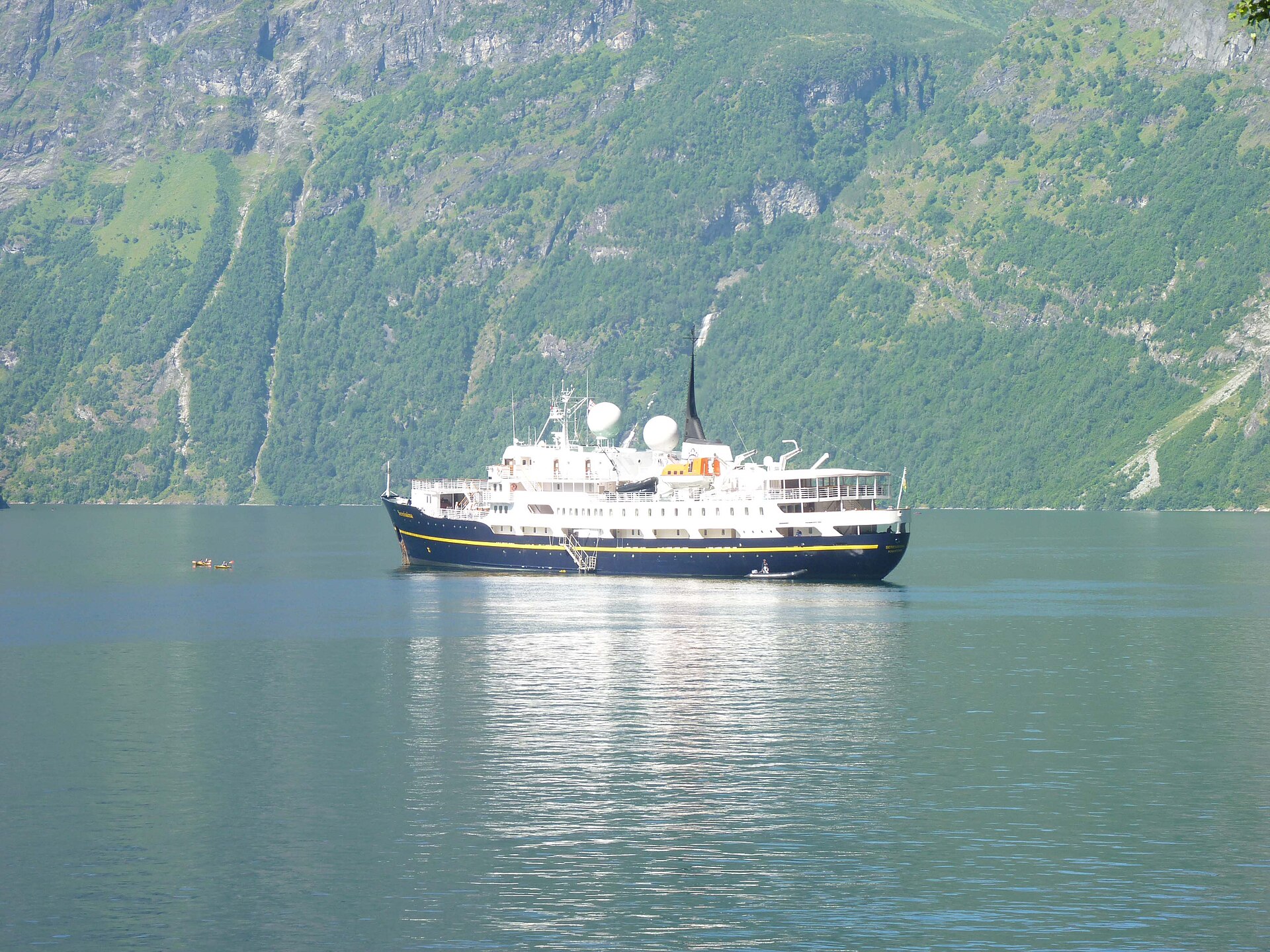
Norway's World Heritage fjords are the kind of place that makes you want to pack up your life and live in a van by the water. The mountains drop straight into the deep blue, the air is crisp, and the scenery is so dramatic it feels like a set wave that never ends. They are often called the world's first zero-emission waters, but if you are planning to paddle out there, you need to know who the rules actually apply to.
There is a lot of messy chop in the reporting of these regulations. Some headlines make it sound like every petrol engine in Norway is about to be seized by the water police. We went through the government announcements so you know exactly where the groundswell is and where you can still cruise in peace.
The short version is that Norway is protecting its crown jewels, but it is doing it in a way that targets the big players first. It is a smart move that preserves the glassy silence of the fjords without immediately banning every local with a fishing boat.
The groundswell: what the rule says
Since 1 January 2026, a new reality has set in for the big ships. Any passenger ship under 10,000 gross tons must operate with zero emissions when they enter the World Heritage fjords. The Norwegian government is very specific about this: they mean tourist ships and ferries.
If you are a cruise giant, you get a little more time to get your house in order. For passenger ships over 10,000 gross tons, the same zero-emission requirement kicks in from 1 January 2032. It is a massive shift for an industry that has traditionally relied on heavy fuel oil and massive engines.
Secret spots: which fjords are covered
The requirement is not for every fjord in Norway. That would be like trying to surf every break in the Atlantic on a single Tuesday. The rule covers five specific fjords in western Norway that are part of the West Norwegian Fjords World Heritage area:
- Nærøyfjord
- Aurlandsfjord
- Geirangerfjord
- Sunnylvsfjord
- Tafjord
These are the ones you see on the postcards. They are narrow, deep, and spectacular. They are also the ones most affected by the noise and exhaust of large tourist vessels, which is why they are the first to get the clean-air treatment.
No drop-ins allowed: what the rule does not say
Here is the bit where most people get caught out by a wipeout. The government's announcement refers to passenger ships throughout. It does not mention private leisure boats. There is no national ban on petrol outboards for individuals in these fjords.
This is the point that many articles miss entirely. If you are a sightseeing vessel selling tickets to tourists in Geirangerfjord, you must be zero-emission. If you are a visitor arriving in your own private boat, you are not covered by this requirement.
Of course, that does not mean you can do whatever you want. Speed limits, harbour rules, and local etiquette still apply. If you arrive in a noisy, smoky old tug, you might not be the most popular person in the line-up. Always check with the local harbour before you launch, as authorities can update the scope of these rules whenever they like.
Reading the line-up: why the distinction matters
We care about the details because accuracy is what keeps you off the rocks. There are two main reasons why this distinction is important.
First, there is a lot of misinformation out there. You will often see Geirangerfjord listed next to Alpine lakes where combustion engines are banned for absolutely everyone. Those are very different types of rules. We keep these fjords out of our register of electric-only waters because the private boater is still welcome, even if the ferries have gone electric.
Second, the practical effect is still huge. Even if you are allowed to use your petrol engine, the experience of being in the fjord has changed. The massive ferries and tour boats that used to rattle the windows of the local villages are now silent. The groundswell of change has arrived, and it makes the fjords feel more like a dawn patrol session even in the middle of the day.
Paddling hard: what it means for operators
For the companies that run tours, the requirement is already in force. They have to run battery-electric vessels, hybrids that can switch to zero-emission mode, or other clean tech.
Charging is the hard part. The fjords are long and the villages at their heads are small. A vessel that sails the length of Geirangerfjord and back needs either a large battery or a charge at the turning point. The Stockholm electric hydrofoil ferry introduced in 2024 can run for about three hours on roughly one hour of charging, which shows the kind of duty cycle operators are working with.
The hidden break: Norway's small lake rules
While the fjords get all the headlines, Norway has another rule that is much stricter for private boaters. It is about the small lakes, not the famous fjords.
On any lake smaller than 2 km², motor boats are banned by default. That includes electric ones. A municipality can open such a lake to electric motors, but only up to an input power of 800 W.
On larger lakes and on rivers, motor boats are generally allowed, and municipalities can restrict them locally. So the pattern in Norway is the reverse of what the headlines suggest. The famous fjords restrict commercial ships, while the small lakes are where a private boater meets an electric-only rule.
Session prep: planning your visit
If you are heading north, here is the deal:
- On a tour. You do not need to do anything. The operator has to comply.
- With your own boat in the World Heritage fjords. The passenger ship requirement does not cover you, but ask the local harbour about current rules.
- With a small boat on an inland lake. Find out the size of the lake. Under 2 km², ask the municipality whether electric motors are permitted.
Norway also requires a boating licence for people born in 1980 or later who drive a boat over 8 metres or with more than 25 horsepower. See our licence guide.
Questions
Are petrol boats banned in Geirangerfjord?
The zero-emission requirement applies to passenger ships, meaning tourist ships and ferries. The government's announcement does not extend it to private leisure boats.
Which fjords are covered?
Nærøyfjord, Aurlandsfjord, Geirangerfjord, Sunnylvsfjord and Tafjord.
When do cruise ships have to comply?
Passenger ships under 10,000 gross tons from 1 January 2026. Larger passenger ships from 1 January 2032.
Does Norway have electric-only lakes?
In a sense. On lakes smaller than 2 km², motor boats are banned by default, and a municipality may allow electric motors of up to 800 W.