Electric Toys
Flight or float: eFoil vs electric surfboard vs jet ski
A comparison of eFoils, electric surfboards and electric sit-on craft: ride time, cost, skill levels and the shifting European regulations.
9 October 2026 · 4 min read
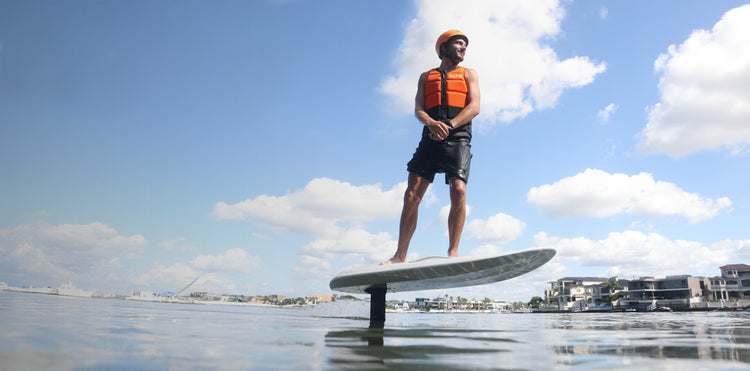
Picture this: a sunrise session on a lake so glassy it looks like a mirror. You have three ways to rip through it without a drop of petrol. They all look like the future, but they handle like completely different beasts. Whether you want to fly like a bird or carve through the chop, there is an electric toy in the line-up for you.
We have spent the season comparing eFoils, electric surfboards and the new wave of sit-on craft. The choice comes down to how much you want to sweat, how much you want to spend and whether you want to bring a friend along for the ride. Here is the lowdown on the electric water groundswell.
Choosing your board for the session
The first thing to understand is that these three craft serve very different vibes. An eFoil uses a mast and a wing to lift you out of the water. An electric surfboard, or jetboard, stays on the surface and planes like a powered shortboard. Then you have the electric sit-on craft, which are the clean, quiet cousins of the jet ski.
| eFoil | Electric surfboard | Electric sit-on craft | |
|---|---|---|---|
| Rider position | Standing, flying | Standing or lying | Sitting |
| Skill needed | Highest | Medium | Lowest |
| Passengers | None | None | One or two |
| Energy use | Low once flying | High | Depends on size |
| Weight | Light | Light | From 80 kg for hull |
| Price (euros) | 12,000 to 20,000 | Varies by maker | 18,000 and up |
| Regulation | Varies widely | Varies widely | Heaviest |
eFoil: flying the glassy wave
An eFoil is pure efficiency. Once you get enough speed for the wing to lift the board, the drag almost vanishes. The efficiency is high. A 2 kWh battery weighing 13 to 14 kg can give a ride time of up to two hours. It is the closest thing to silent flight on the water, but you have to work for it.
Expect a few wipeouts while you learn the balance. Most people need a few sessions before they can fly steadily on the wing. It is also not cheap: premium eFoils in 2026 run between 12,000 and 20,000 euros. Watch out for the kook trap of low advertised prices: once you add a decent battery and shipping, the price often jumps by thousands.
Electric surfboard: carving the chop
If flying feels a bit too detached, the electric surfboard is for you. These boards plane on the surface, driven by a jet in the hull. You can ride them lying down from the first minute, making them much easier to pick up than a foil. They are built for short, intense sessions where you want to carve hard turns and feel the water.
The downside is the energy draw. Pushing a whole board across the surface takes way more power than flying a wing under it. This means your ride times will be shorter for the same battery size. They are also not silent: a jetboard at full throttle definitely lets the line-up know you are there. They are a great choice for weedy or shallow spots where a foil mast would just get snagged.
Electric sit-on craft: the social line-up
The sit-on craft is the only way to share the stoke with a passenger. It requires zero balance: anyone can hop on and be riding within minutes. In 2026, the line-up is split between heavy performance craft with 24 kWh batteries and 120 kW motors, and a lighter breed with swappable batteries that two people can carry.
We have a full breakdown of the models in our guide to electric jet skis compared. These are perfect for families or yacht owners who want a guest-friendly toy, but they are a pain to transport if you do not have a trailer and a ramp.
The local code: European rules
Before you paddle out, you need to check the local regulations. The law does not see these toys as equals, and in some spots, it is a total wipeout for certain gear. In the Netherlands, an eFoil is treated as a fast motorboat. That means you need a certificate, registration and you have to be at least 18. You are also stuck in designated fast-boating zones.
Switzerland has effectively banned them on public waters because motorised craft under 2.5 metres cannot be registered. Germany requires registration once you go over 2.21 kW and a licence above 7.5 kW. France is more relaxed, only requiring a licence above 4.5 kW. If you want the light touch, Sweden does not even treat eFoils as personal watercraft. For the sit-on craft, you will almost always need a licence, as they fall under standard boat or PWC rules. You can check the details in our summary of personal watercraft rules across Europe.
The final set: our verdict
So, which one fits your quiver? If you want a genuine sport that takes time to master and gives you a two-hour session, go for the eFoil. If you just want instant fun in short, carving bursts, the electric surfboard is the winner. For families and guests, the sit-on craft is the only logical choice.
One thing to remember for all of them: those batteries are far too big for a passenger plane. If you are planning to travel with your gear, read our guide to transporting lithium boat batteries. And if you are lucky enough to be keeping these on a yacht, check out how the yacht toy market is going electric. Whatever you choose, find a dealer who will let you have a trial session first. One hour on the water is worth more than a thousand spec sheets.
Questions
How much does an eFoil cost?
Premium eFoils cost between 12,000 and 20,000 euros in 2026, depending on brand, battery and options. Advertised entry prices are often well below the configured price.
How long does an eFoil battery last?
It depends on the battery and the rider. Lift's largest battery is quoted at up to two hours. Typical premium batteries hold about 2 kWh and weigh 13 to 14 kg.
Is an eFoil hard to learn?
Most people need a few sessions to fly steadily. Lying and kneeling on the board is easy, and standing in flight takes balance and practice.
Are eFoils legal everywhere in Europe?
No. The Netherlands treats them as fast motorboats that need a certificate and registration. Switzerland effectively bans them on public waters. Sweden regulates them lightly.
Which is best for a family?
A sit-on craft, because it carries passengers and needs no balance. Boards are for one rider at a time.